How to Reduce Clothing Returns in Online Shopping: Smart Strategies and Outfit Visualization
Learn how to shop smarter online and reduce clothing returns with outfit visualization tools, virtual sizing guides, and actionable strategies.

Stop the Cycle: Why Reducing Clothing Returns in Online Shopping Matters
Have you ever ordered clothes online, only to send half back because they didn't fit or look right? You're not alone. In fact, at least 30% of all online clothing purchases are returned, costing shoppers time and retailers billions annually. If you want to reduce clothing returns online shopping and enjoy a more confident, satisfying shopping experience, the latest smart strategies and tech tools can help you choose better—and keep more of what you buy.
Why Clothing Returns Happen: The Core Challenges of Online Fashion
Without the ability to try on items, it's easy to fall into the trap of buying multiple sizes or styles and hoping one works. Common reasons for high return rates include:
- Sizing Confusion: Inconsistent fit standards across brands
- Unrealistic Product Photos: Models and lighting make items look different from reality
- Color Variances: Colors can appear different on screens than in person
- Lack of Outfit Visualization: Uncertainty over how pieces will look together
Smart Online Shopping Strategies to Minimize Clothing Returns
1. Use Virtual Sizing Guides for a More Accurate Fit
A virtual sizing guide takes your measurements and compares them to specific brand sizing, reducing the guesswork. Some platforms let you input data like height, weight, or even upload photos for a more tailored suggestion.
- Measure Yourself Accurately: Use a soft measuring tape and follow site instructions
- Enter Honest, Up-To-Date Info: Your size can change—update measurements regularly
- Check Brand-Specific Details: Sizing guides should adapt to each label's unique sizing
Advanced shopping platforms like LetsGet.Style offer sleek, user-friendly virtual size recommendations, helping you avoid unwanted returns.
2. Visualize Outfits Before Buying
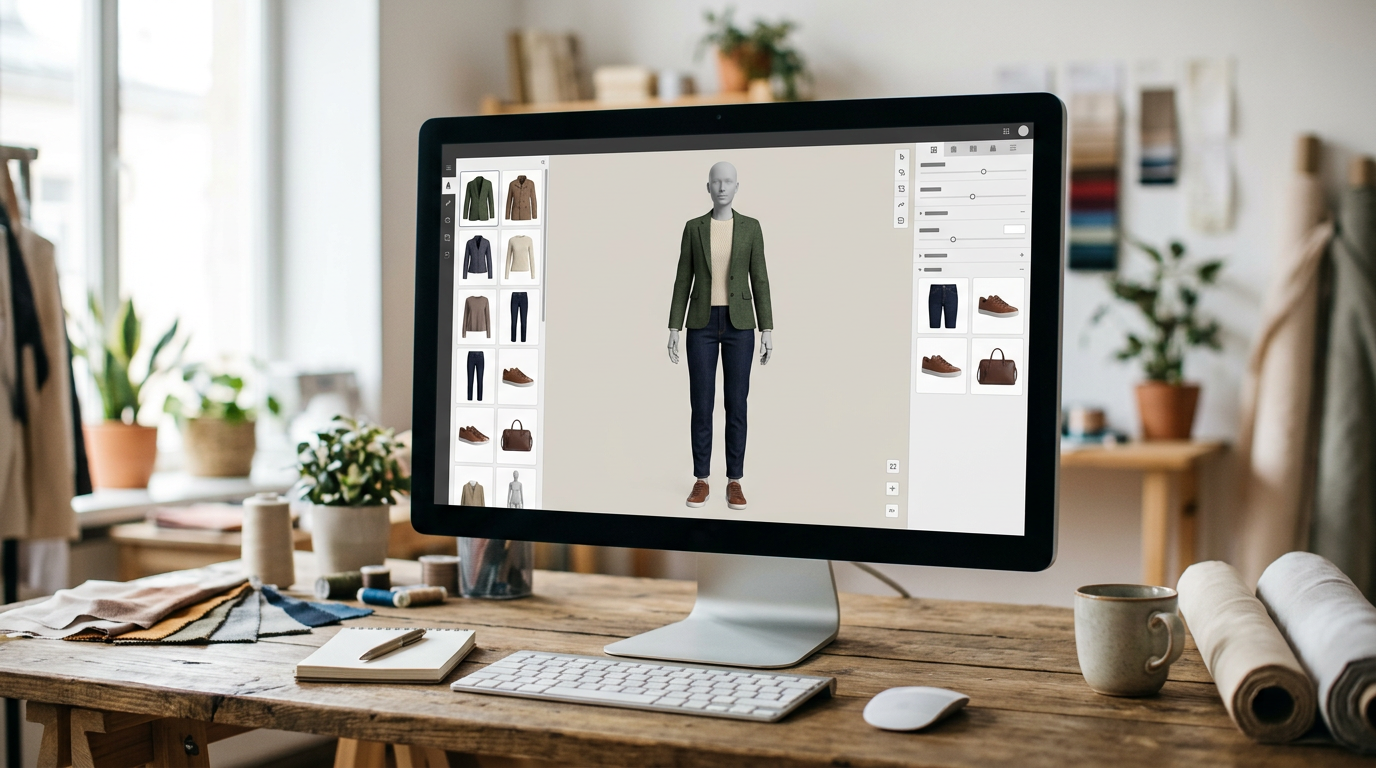
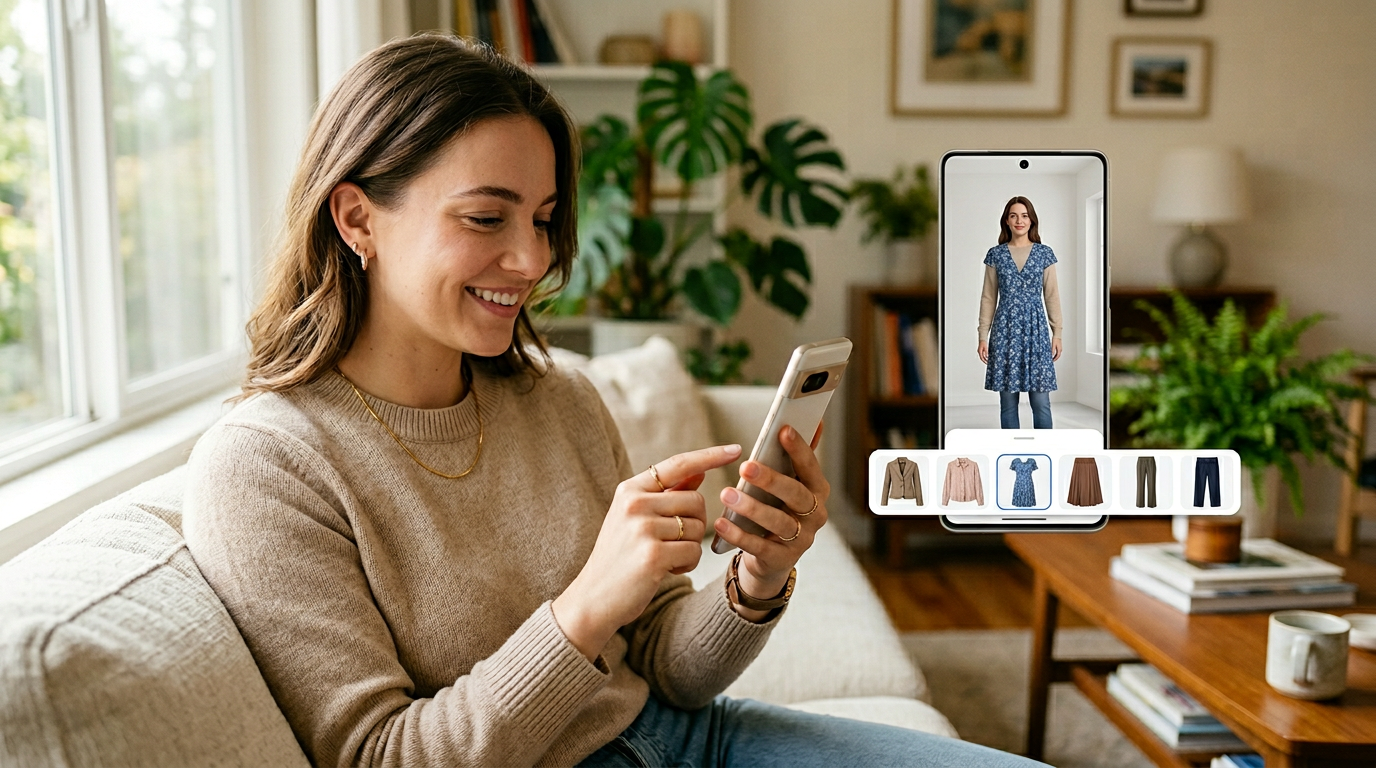
Visualize outfits before buying with technology that lets you mix-and-match clothing pieces virtually. Some tools use AI to generate outfit previews on avatars or even your own uploaded photo, making it easier to see if styles suit you or complement your wardrobe.
- Try Outfit-Builder Apps: These let you combine tops, bottoms, and accessories from different brands
- Explore Virtual Try-Ons: Some retailers allow you to virtually 'wear' items before you buy
- Check Community Galleries: See real people's photos (not just models) in the clothing you want
3. Read Reviews and Pay Attention to Fit Feedback
Before buying, scan reviews—especially those with photos. Many reviewers mention whether an item runs small, large, or true to size. Look for feedback from people with similar body shapes or style preferences for the most relevant insights.
4. Know the Return Policy—But Shop to Avoid Returns
While a generous return policy is helpful, focus on choosing items you intend to keep. Avoid bracketing (buying multiple sizes to try at home) unless there is literally no other way to know which size will fit.
5. Keep a Fit Log
Track what sizes and brands fit you best in a note on your phone or spreadsheet. Over time, patterns emerge, making future purchases less risky.
Harnessing Technology: Virtual Sizing and Outfit Visualization in Practice
Online shopping platforms are rapidly innovating to reduce clothing returns online shopping. Here's how you can put these tools to work:
Virtual Sizing Guide in Action
- Retailers: Many top e-commerce sites now include detailed, brand-specific virtual sizing guides.
- Apps: Try out tools that recommend sizes based on your previous purchases and returns.
- LetsGet.Style: This platform focuses on accurate virtual size-matching, reducing the risk of getting it wrong.
Previewing Outfits with Visualization Tools
- Upload a photo or create an avatar
- Select clothing items from your wishlist
- Mix and match to see full outfits before committing to a purchase
- Adjust sizing on-screen to better match your body shape and preferences
These methods not only boost confidence in your choices but also save you time, money, and effort in the long run.
Actionable Tips: How to Shop Smarter and Keep More of What You Buy
- Check Your Measurements Regularly: Update every six months or after lifestyle changes
- Compare Sizing Across Brands: Don't assume you'll wear the same size everywhere
- Use Filters: Filter shopping results by fit, material, and verified reviews for best matches
- Preview Outfits: Don't just buy for yourself—visualization tools help with gift buying, too
- Utilize Smart Shopping Portals: Sites like LetsGet.Style bring outfit visualization and size matching together for a more seamless experience
Conclusion: Shop Smarter, Return Less, Enjoy More
Reducing clothing returns in online shopping is possible with the right approach. By leveraging virtual sizing guides, visualizing outfits before buying, and adopting smart online shopping strategies, you can make more confident choices—keeping more of what you buy and enjoying fashion rather than dreading the postman's next pickup.
The next time you shop online, use technology to your advantage, and turn clothing returns into a rare event rather than a frustrating habit.
FAQ
How can I reduce clothing returns when shopping online?
To reduce clothing returns, use virtual sizing guides to find your correct fit, read detailed reviews—especially those with photos, and preview outfits using online visualization tools. These steps make your choices more informed and greatly reduce the chance of unwanted returns.
How accurate are virtual try-on results?
Virtual try-on results have become increasingly accurate, especially when you enter precise measurements or upload photos. While not perfect, they capture fit and style reasonably well, helping minimize returns and boosting confidence in your selection.
Tips for choosing the right size online
Always measure yourself with a flexible tape, check the brand's size chart, read buyer fit feedback, and consider using a virtual sizing guide. Comparing your own measurements to each item's fit notes gives you the best chance of choosing the right size and avoiding returns.